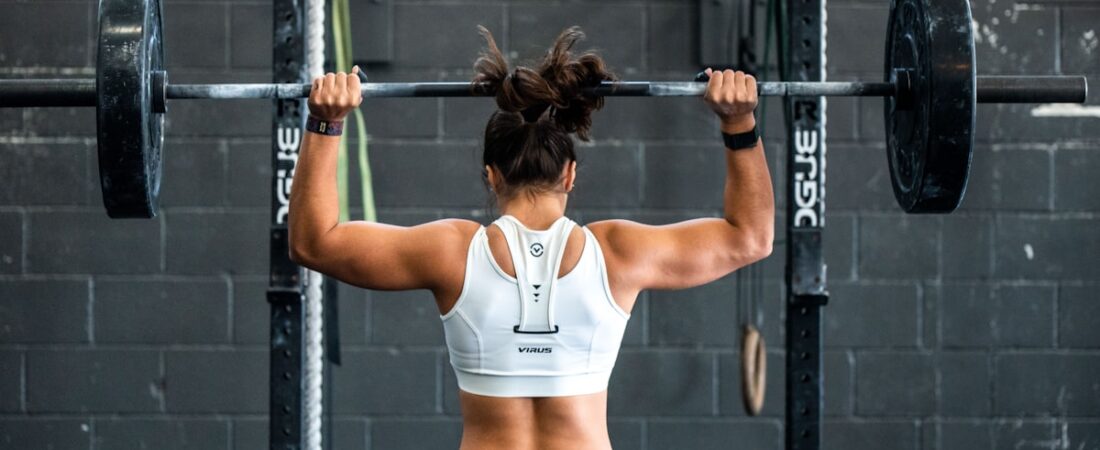
- Squats train the quads, hamstrings, glutes and core in one movement — no other lower-body lift matches the return.
- Foot position, bar position and bracing are the three setup decisions that make or break the lift.
- Aim for hip crease at or below knee level, never sacrificing a neutral spine to chase depth.
- Most faults — knee cave, butt wink, rising heels — trace back to mobility or bracing, not weakness alone.
- Progress with small, tracked jumps and squat two to three times a week.
Squats train the quads, hamstrings, glutes, hip flexors, spinal erectors and core in a single movement, which is why they are the most valuable lower-body exercise for building strength and muscle. Load the bar, sit down between your hips with a braced trunk, and stand back up with control — done well, few lifts return more strength, size and resilience for the time invested. This guide covers the setup, technique and programming that make the difference.
Why everyone should be squatting
Beyond building the legs, squatting improves bone density, develops hip and ankle mobility, and drives a strong training response because of the large muscle mass involved. It carries over to almost everything else you do, from sprinting to standing up from a chair at eighty. It is the foundation of any serious strength plan, and the movement most other lower-body work is built around.
It also pairs naturally with its hinge counterpart. Where the squat is knee-dominant, the deadlift is hip-dominant, and training both gives you balanced lower-body strength rather than a lopsided one.
Setting up your squat
Foot position
Set your feet roughly shoulder-width apart with the toes turned out somewhere between 15 and 30 degrees. Your knees should track in line with your toes throughout the movement, not cave inward. The ideal stance depends on your hip anatomy, so experiment within that range to find where you feel strongest and can reach depth comfortably.
Bar position
A high-bar position, with the bar resting on the upper traps, keeps the torso more upright and shifts emphasis toward the quads. A low-bar position, with the bar on the rear delts, produces more forward lean and loads the posterior chain harder. Both are valid — choose based on your goals and what your mobility allows.
Bracing
Take a big breath into your belly, brace hard as though preparing for a punch, then squat. This intra-abdominal pressure is what protects your spine under load, and it is the same principle you use on the deadlift. Never skip it, even on lighter sets, because bracing is a skill that needs rehearsing at every weight.
Squat technique, step by step
- Get under the bar, build tension across your upper back, unrack it and step back — two steps is plenty.
- Set your stance and brace your core before the first rep.
- Break at the hips and knees at the same time; do not let your chest drop first.
- Descend until your hip crease reaches or passes knee level.
- Drive up through your whole foot, keeping the bar over mid-foot.
- Lock out with the glutes squeezed, without hyperextending the lower back.
The whole sequence should feel like one controlled movement, not a series of separate positions. Regulating how hard each set feels using RPE helps you push when fresh and hold back when fatigue is high.
Common squat mistakes
| Fault | Likely cause | Fix |
|---|---|---|
| Knee cave | Weak glutes and hip abductors | Cue knees out; strengthen the hips |
| Butt wink | Hip or ankle mobility restriction | Targeted mobility work; check depth |
| Heels rising | Limited ankle dorsiflexion | Elevate heels temporarily; mobilise |
| Excessive forward lean | Weak upper back or bar too high | Strengthen the back; check bar position |
Two of these — butt wink and rising heels — are usually mobility problems rather than strength problems, and grinding out heavier sets will not fix them. If depth is your limiter, our guide to improving squat depth walks through the specific drills that help.
A myth worth clearing up
You have probably heard that squatting is bad for the knees. The opposite is closer to the truth. For most people, proper squatting strengthens the muscles and connective tissue around the knee and often reduces pain over time. The idea that the knees should never travel past the toes is also overstated — natural forward knee travel is a normal, healthy part of a full squat, particularly in front squats and Olympic-style movements. Sharp, worsening joint pain is a reason to see a physiotherapist; general knee discomfort is often improved, not caused, by learning to squat well.
Best squat variations
- Goblet squat: the best entry point — holding a weight at the chest counterbalances you and encourages an upright torso.
- Front squat: high quad demand and excellent for anyone doing Olympic lifting.
- Bulgarian split squat: a single-leg version that exposes and corrects left-to-right imbalances.
- Box squat: teaches consistent depth and reduces lower-back stress, useful when learning the pattern.
Rotating in a variation now and then keeps the pattern fresh and shores up weak points, but the barbell back squat should stay the anchor for most trainees.
How to programme squats
Apply progressive overload: add weight only once you can complete all your reps with good form, and use small increments so technique never breaks down. Squatting two to three times a week suits most people, with the load and rep ranges matched to your goal — lower reps and heavier weight for strength, moderate reps for size. Mobility underpins all of it, and understanding the difference between mobility and flexibility explains why active range matters more than passive stretch for a loaded squat.
Frequently asked questions
How deep should I squat?
Aim for your hip crease to reach at least knee level. Going deeper improves glute development if you have the mobility to do it with a neutral spine. What you should never do is round the lower back to reach depth — a clean squat to just below parallel beats a deeper one that compromises your spine.
Can I squat with knee pain?
Often yes. Proper technique and sensible loading tend to reduce general knee pain over time rather than worsen it. That said, sharp or escalating pain is a signal to stop and see a physiotherapist. Never train through sharp joint pain in the hope it will settle on its own.
Do I need a squat belt?
Not to begin with. A belt helps at loads above roughly 85% of your one-rep max by giving your brace something to push against, but you should learn to brace hard without one first. Use a belt as a tool for your heaviest sets, not as a substitute for the bracing skill on lighter work.
How often should I squat each week?
Two to three times a week works for most lifters, which lets you accumulate enough quality volume while recovering between sessions. Beginners can progress on the lower end; more advanced trainees may split heavy and lighter squat days. Spread the sessions out rather than stacking them back to back.
Put the squat to work
The squat rewards patience and precision: a stable setup, an honest depth, a hard brace, and small increments added over time. Master those, keep the movement at the heart of your training, and few lifts will do more for your strength. If you want a programme that plugs the squat into a plan built around your goals and equipment, start at Zerxus.
Get the next one in your inbox.
Practical insights — no fluff, straight to your inbox.
Zerxus Coaching Team
Certified Strength & Conditioning Coaches
The Zerxus coaching team combines qualified personal trainers, certified strength coaches, and evidence-based sports science to build programmes that actually work. Every article is grounded in peer-reviewed research and practical coaching experience — no fads, no shortcuts.