Latest posts
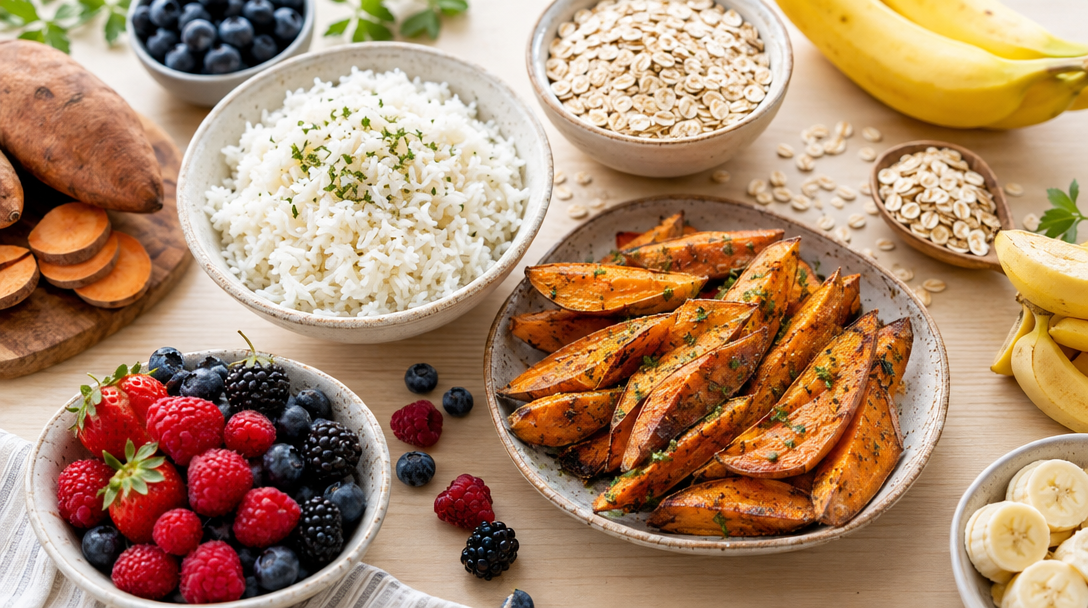
How to Gain Weight as a Hardgainer

By Zerxus Team | Nutrition Key takeaways Working out how to gain weight as a hardgainer nearly always comes down to one thing: you are eating less than you think. “Fast metabolism” is usually a high, restless activity level plus under-eating, not a genetic curse. Use calorie-dense foods and liquid calories so you can hit…
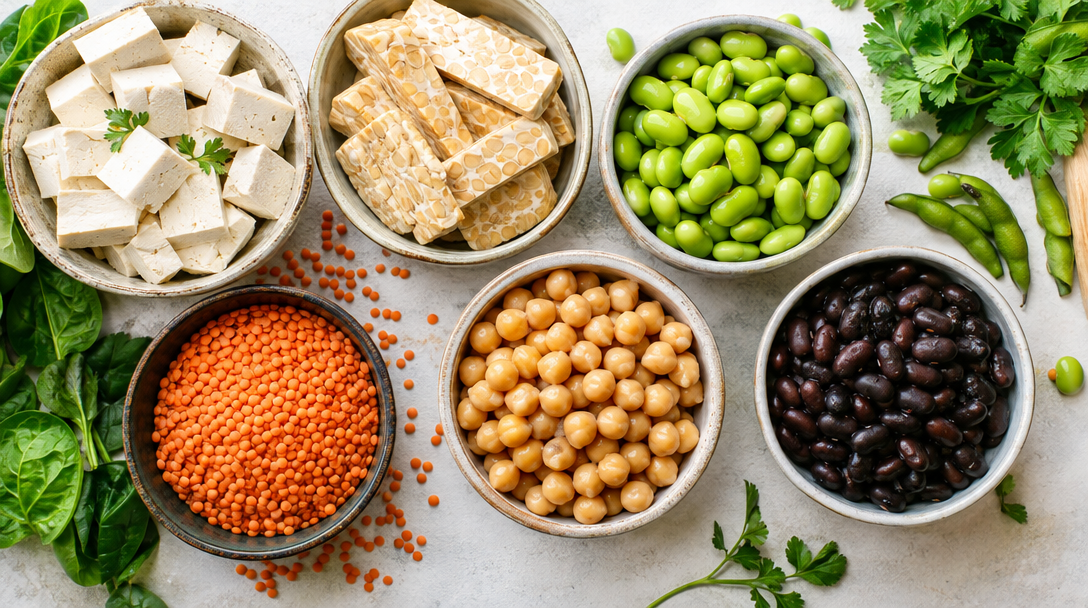
How to Build Muscle on a Plant-Based Diet
By Zerxus Team | Nutrition Key takeaways Vegan muscle building absolutely works. You need enough total protein, enough calories, and hard training, just like anyone else. Plant proteins are lower in leucine and often incomplete, so aim a little higher on total protein and vary your sources. Lean on soya, seitan, legumes, and a plant…
How Much Protein Per Meal for Maximum Muscle Growth?
By Zerxus Team | Nutrition Key takeaways Around 0.4 g of protein per kg of bodyweight per meal is a solid target for maximising muscle building, roughly 30 to 45 g for most people. The old idea that your body can only “use” 20 to 30 g of protein at once is a myth; extra…
Intermittent Fasting for Muscle and Fat Loss
By Zerxus Team | Nutrition Key takeaways You can build muscle with intermittent fasting, but it makes the job slightly harder, not easier. Fasting has no fat-burning magic. It helps only if the eating window naturally cuts your calories. The main challenge is fitting enough protein and total calories into a shorter window. A common…
Alcohol and Muscle Growth: What the Research Says
By Zerxus Team | Nutrition Key takeaways Alcohol and muscle growth do not sit well together: alcohol can blunt muscle protein synthesis, disrupt sleep, and add empty calories. The damage scales with the dose. An occasional drink or two is unlikely to derail progress; regular heavy drinking is a real problem. Sleep disruption is one…
How to Eat Out Without Derailing Your Diet
By Zerxus Team | Nutrition Key takeaways You can eat out and stay on track by anchoring the meal around a protein source and a vegetable, then being sensible with the extras. The hidden calories are almost always in oils, sauces, bread, and drinks, not the main protein. Plan ahead: check the menu, decide roughly…
Carb Cycling: Does It Actually Work?
By Zerxus Team | Nutrition Key takeaways Carb cycling means eating more carbohydrate on training days and less on rest days, keeping protein steady throughout. It offers no metabolic magic. Any benefit comes almost entirely from managing your weekly calories, not from timing carbs. It can help by putting fuel where you need it, on…
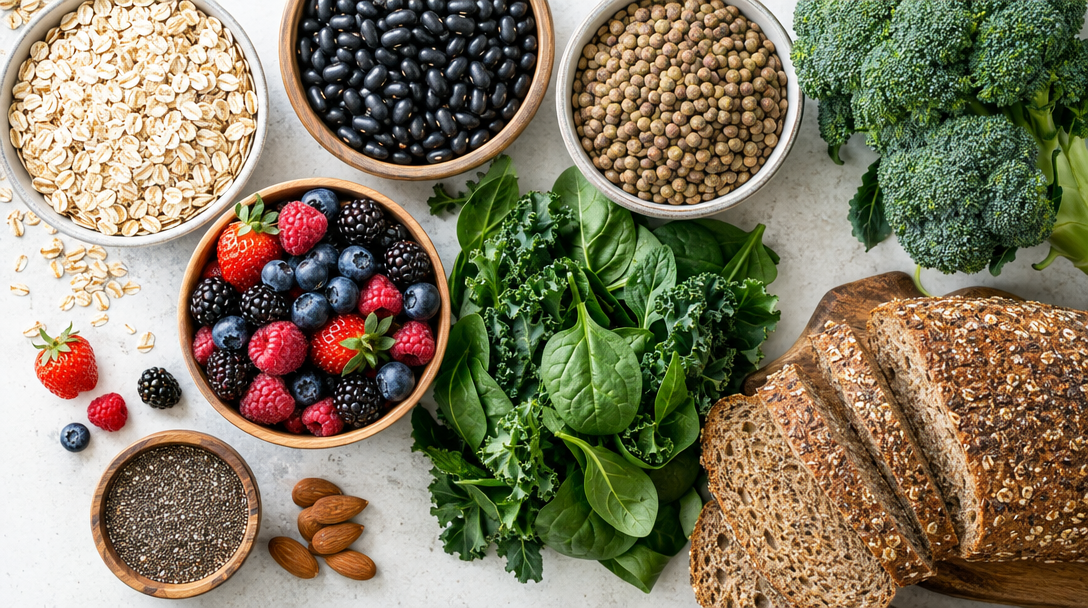
Fiber: The Overlooked Nutrient for Lifters
By Zerxus Team | Nutrition Key takeaways Fibre is the nutrient lifters most often ignore, and it quietly affects hunger, digestion, and how good a diet feels to run. A sensible target for most active adults is roughly 25 to 38 g of fibre a day, scaled to how much you eat. Fibre keeps you…
Meal Prep for Lifters: A Simple Weekend System
By Zerxus Team | Nutrition Key takeaways Good meal prep for lifters is about hitting your protein and calorie targets on autopilot, not eating cold chicken from a tub for a week. Prep components, not full rigid meals: a protein, a carbohydrate, a vegetable, and a sauce that you mix and match. Aim to lock…
Meal Timing: Does When You Eat Actually Matter?
By Zerxus Team | Nutrition Key takeaways Meal timing matters far less than total daily calories and protein. Get those right and timing is a fine-tuning lever, not the main dial. The “anabolic window” after training is much wider than the old 30-minute rule; you have several hours to eat, not minutes. Spreading protein across…
How Many Steps a Day Do You Need for Fat Loss?
By Zerxus Team | Fat Loss Key takeaways There is no magic step number. For most people, somewhere between 8,000 and 12,000 steps a day supports fat loss without wrecking recovery. Walking helps because it widens your calorie deficit quietly, without the appetite spike and fatigue that hard cardio can bring. Your current baseline matters…
NEAT: The Hidden Calorie Burn Behind Fat Loss
By Zerxus Team | Fat Loss Key takeaways NEAT is non-exercise activity thermogenesis: the calories you burn through everyday movement like walking, standing, fidgeting, and chores. For many people NEAT is a larger share of daily burn than their training, and it varies enormously between individuals. NEAT drops silently when you diet, which is a…
How to Calculate Your Calorie Deficit (TDEE Explained)
By Zerxus Team | Fat Loss Key takeaways Your calorie deficit is the gap between what you burn (TDEE) and what you eat. Eat below TDEE and you lose fat. Estimate TDEE, subtract 15 to 25% for a sensible deficit, then adjust based on two to three weeks of real bodyweight data. A calculator is…
How to Lose Stubborn Fat: The Last Few Kilos
By Zerxus Team | Fat Loss Key takeaways “Stubborn fat” is not biologically special. It is simply the fat you lose last, once you are already lean and your deficit has quietly shrunk. The lower-belly, hip, and lower-back stores have more fat cells and slightly poorer blood flow, so they respond slowly, not never. The…
Metabolic Adaptation: Why Fat Loss Stalls and How to Restart It
By Zerxus Team | Fat Loss Key takeaways Metabolic adaptation is the drop in how many calories you burn as you diet, which is why fat loss slows even when you are eating carefully. Most of it is not a broken metabolism. It is less daily movement, a lighter body, and normal hormonal down-shifts. A…
Diet Breaks vs Refeeds: Which One Keeps Fat Loss Going?
By Zerxus Team | Fat Loss Key takeaways A refeed is a short planned rise in calories, mostly carbohydrate, lasting one or two days. A diet break is a longer pause at maintenance calories, usually one to two weeks. Both interrupt a deficit to restore glycogen, ease hunger, and give your training and hormones a…
Reverse Dieting: How to Stop Dieting Without Regaining Fat
By Zerxus Team | Fat Loss Key takeaways Reverse dieting means adding calories back slowly after a diet, usually 50 to 150 kcal per week, so your body adjusts to a higher intake without rapid fat regain. Its real job is to rebuild the energy expenditure that drops during a long diet, mostly from restored…
Understanding Training Volume: How Much Work Do You Actually Need?

Too little volume and you won’t grow. Too much and you’ll overtrain. Here’s the science on finding your optimal training volume.
How to Train Through Plateaus Using Periodisation and Programming Variation
Hit a wall with your training? Learn how smart periodisation and programming variation can reignite your progress.
The Truth About Cardio and Muscle Loss: What the Science Says
Does cardio really make you lose muscle? Here’s what the science actually says — and how to use cardio without sacrificing your gains.
How to Improve Your Squat Depth: A Step-by-Step Mobility Guide
Poor squat depth holds back your strength and muscle development. Fix it with this targeted mobility and technique guide.
Training with Limited Equipment: Get Strong Anywhere
You don’t need a fully equipped gym to get strong. Here’s how to maximise your training with minimal equipment.
How to Build a Powerful Mind-Muscle Connection for Better Results
The mind-muscle connection isn’t just bodybuilder folklore — it’s a proven technique that improves muscle activation and hypertrophy.
Dumbbell vs Barbell Training: Which Is Better for Your Goals?
Should you train primarily with dumbbells or barbells? Here’s an evidence-based breakdown to help you decide.
How to Master the Romanian Deadlift for Hamstring and Glute Development
The Romanian deadlift is one of the best exercises for building strong, powerful hamstrings and glutes. Here’s how to do it perfectly.
Water and Hydration for Athletes: How Much Do You Actually Need?
Hydration has a significant impact on training performance, recovery, and health. Here is how much water athletes actually need and how to optimise it.
How to Measure Body Composition: Beyond the Scale
The scale tells you very little about your actual progress. Here are the best methods for measuring body composition — and what each one actually tells you.
The Science Behind Muscle Memory: Why Coming Back After a Break Is Easier
Muscle memory is real — and the science behind it explains why returning to training after a break produces rapid regains. Here is how it works.
Training Plateaus: Why You Have Stopped Progressing and How to Break Through
Hitting a training plateau is frustrating — but it is also predictable and solvable. Here is why plateaus happen and the proven strategies to overcome them.
Lateral Raises: How to Actually Build Wide Shoulders
Lateral raises are the key to building wide, capped shoulders. Here is how to perform them correctly, common mistakes, and programming tips.