You can do everything right in the gym and still make slow progress if your nutrition is not aligned with your goal. Building muscle requires a specific approach to calories, protein, and meal composition. Here is a practical plan that is simple enough to sustain long term.
Breadcrumb: Blog › Nutrition › Nutrition Plan for Muscle Growth
The Calorie Foundation: How Much to Eat
To build muscle efficiently, eat in a slight calorie surplus — 200–400 calories above your Total Daily Energy Expenditure (TDEE). This provides enough extra energy for muscle synthesis without excessive fat gain. A surplus much larger than this primarily adds fat, not muscle, at a faster rate.
To estimate your TDEE: multiply your bodyweight in kg by 33–38 (depending on activity level). A 75kg moderately active person has a TDEE of approximately 2,500 calories. Adding 300 calories gives a muscle-building target of 2,800 calories.
Protein: The Most Important Macronutrient
As covered in our full protein guide, aim for 1.6–2.2g per kg of bodyweight per day. Hit this target every day — not just training days. Spread it across 3–5 meals, with each meal containing 30–50g of protein to maximise muscle protein synthesis throughout the day.
Carbohydrates: Training Fuel
Carbohydrates replenish muscle glycogen — the primary fuel for resistance training. Do not fear carbs when building muscle. After hitting your protein target, fill the remaining calories primarily with carbohydrates from quality sources: oats, rice, potatoes, pasta, fruit, and vegetables. Aim for carbohydrates surrounding your training sessions for performance and recovery.
Fats: Health and Hormones
Dietary fat supports testosterone production, joint health, and vitamin absorption. Do not drop fat intake below 0.5g per kg of bodyweight. Prioritise unsaturated sources (olive oil, avocado, nuts, oily fish) and do not fear saturated fat in moderation. Fat is calorie-dense — keep it moderate when also aiming for a surplus, or portions will quickly exceed targets.
Meal Timing and Structure
- Pre-workout: Carbohydrate-rich meal 1–2 hours before training for performance
- Post-workout: Protein + carbohydrate meal within 2 hours of training for recovery
- Before bed: Slow-digesting protein (casein, cottage cheese, Greek yoghurt) to support overnight muscle protein synthesis
Sample Daily Plan for a 75kg Person (Muscle Building)
- Target calories: ~2,800
- Protein: ~165g
- Breakfast: 4 eggs + oats + banana + milk (~55g protein)
- Lunch: Chicken breast + rice + vegetables (~50g protein)
- Pre-workout snack: Greek yoghurt + fruit (~15g protein)
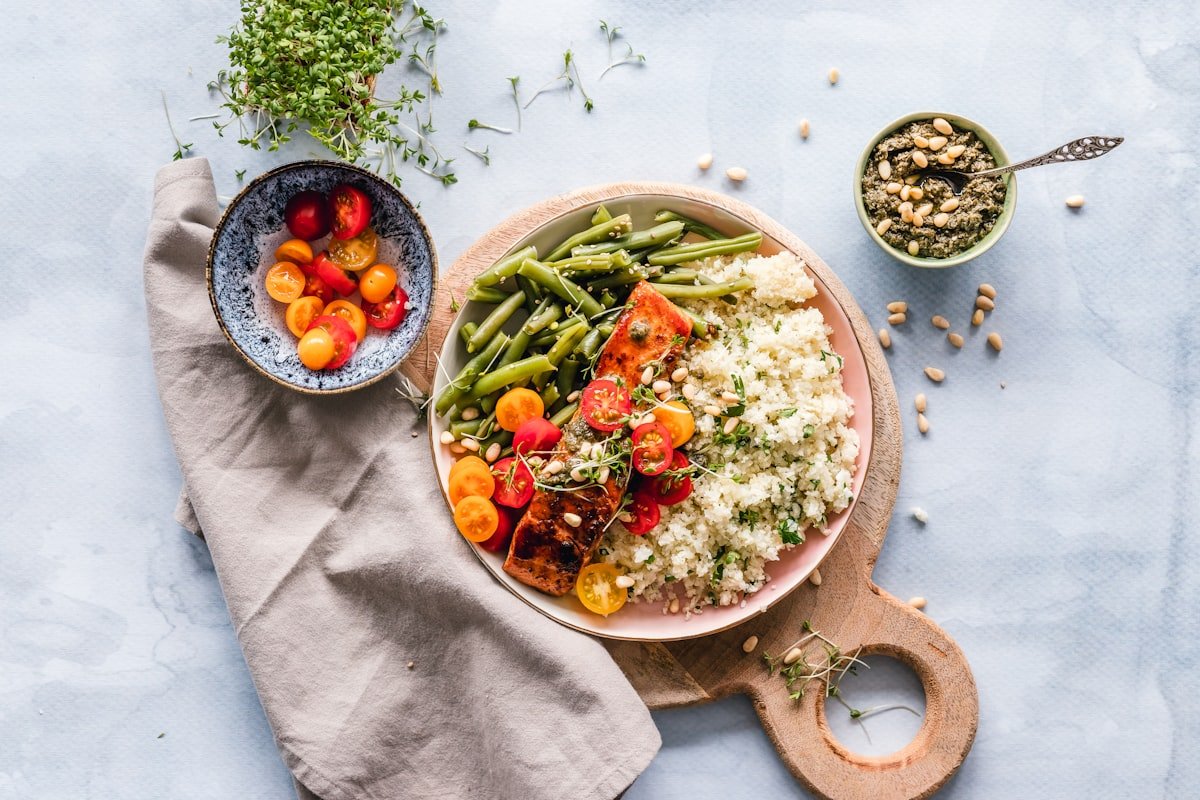
- Dinner: Salmon + potatoes + salad (~40g protein)
- Before bed: Cottage cheese (~15g protein)
Frequently Asked Questions
Do I need to count calories to build muscle?
Tracking calories at least initially is the most reliable way to ensure you are in a surplus. Once you understand your typical intake, many people can estimate well enough without daily tracking. If progress stalls, go back to tracking.
Should I eat on rest days?
Yes. Muscle protein synthesis continues on rest days and your body still needs protein and calories to repair and grow. You can eat slightly less on rest days (particularly fewer carbohydrates) but maintain protein intake.
What if I struggle to eat enough?
Prioritise calorie-dense but lower-volume foods: nut butters, oils, avocado, dried fruit, full-fat dairy, and smoothies with added oats or protein powder. Eating enough is a common challenge for naturally lean people — liquid calories are often easier to consume in volume.
Get the next one in your inbox.
Practical insights — no fluff, straight to your inbox.

Zerxus Coaching Team
Certified Strength & Conditioning Coaches
The Zerxus coaching team combines qualified personal trainers, certified strength coaches, and evidence-based sports science to build programmes that actually work. Every article is grounded in peer-reviewed research and practical coaching experience — no fads, no shortcuts.