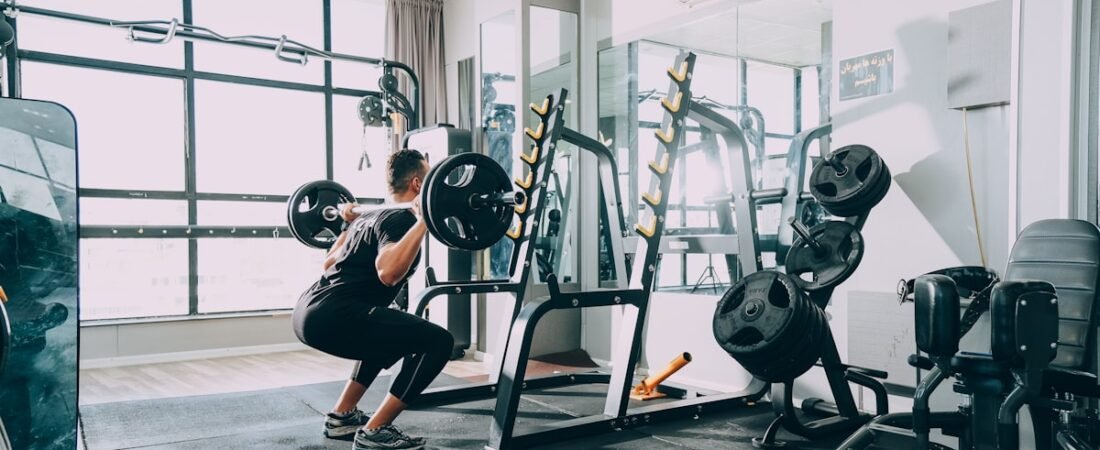
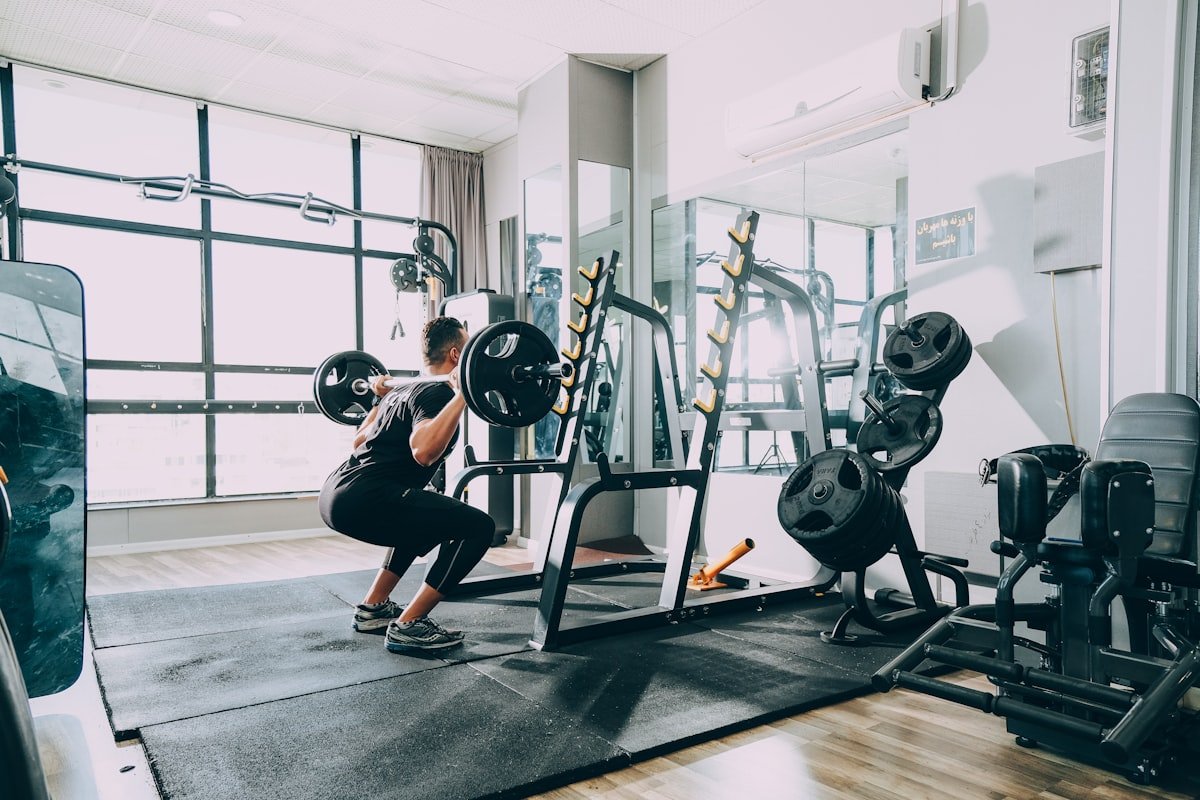
Building a home gym is one of the best long-term investments a serious lifter can make. No commute, no queuing for equipment, no closing time. Whether you have $250 or $2,500, here is exactly what to buy and in what order.
Breadcrumb: Blog › Training › How to Build a Home Gym
Why a Home Gym Makes Sense
The average gym membership costs $40–60/month. After 2–3 years, you could have bought most of a well-equipped home gym. Beyond the economics: removing the barrier of commuting dramatically improves training consistency — and consistency is the single most important factor in long-term progress. A programme built around your available equipment is just as effective as any commercial gym programme.
Budget Level 1: $250–500 (Essential Starter)
- Adjustable dumbbell set (2–30kg): $125–200. Enables a huge range of exercises and takes up minimal space
- Pull-up bar (doorframe mounted): $25–40. Enables pull-ups, chin-ups, and dead hangs
- Resistance bands: $20–30. Useful for warm-ups, assistance exercises, and mobility work
- Exercise mat: $25–50. Core work, stretching, and floor-based exercises
This setup enables a full beginner programme with dumbbell squats, presses, rows, and accessory work. More than enough to make excellent progress.
Budget Level 2: $750–1,500 (Intermediate Setup)
- Barbell and weight plates (up to 100–150kg): $250–500. Unlocks squats, deadlifts, and bench press at real loads
- Squat stand or power rack: $200–375. Essential for barbell squats and overhead press
- Flat/adjustable bench: $100–200. Enables bench press, dumbbell work, and supported exercises
- Pull-up station: $65–125. Freestanding alternative to doorframe bar
Budget Level 3: $2,500+ (Full Setup)
- Full power rack with safety bars: $500–1,000. Safe solo training at all loads
- Olympic barbell + full plate set: $375–750. Train up to competition standard
- Cable machine or functional trainer: $500–1,000. Cable rows, pulldowns, and cable exercises
- Cardio equipment (bike, rower, or ski erg): $375–750
Space Requirements
A basic dumbbell setup requires as little as 2m × 2m. A full barbell rack setup needs approximately 3m × 3m minimum. Garages, spare rooms, and sheds all work well. Rubber flooring (horse stall mats or interlocking foam tiles) protects the floor and reduces noise.
Frequently Asked Questions
Can I get as strong at home as in a commercial gym?
Absolutely. The biggest factors in strength progress are programme quality, consistency, and effort — not the equipment brand or facility. Some of the strongest people in the world train in sheds and garages. Zerxus builds programmes around whatever equipment you have available.
What should I buy first?
Adjustable dumbbells and a pull-up bar. These two pieces cover the majority of training needs and are the most space-efficient. Add a barbell and rack when your budget allows.
Where do I buy second-hand gym equipment?
Facebook Marketplace, Gumtree, and eBay are excellent sources for second-hand equipment — often 50–70% less than new. Weight plates hold their value and rarely wear out, making them ideal second-hand purchases.
Get the next one in your inbox.
Practical insights — no fluff, straight to your inbox.
Zerxus Coaching Team
Certified Strength & Conditioning Coaches
The Zerxus coaching team combines qualified personal trainers, certified strength coaches, and evidence-based sports science to build programmes that actually work. Every article is grounded in peer-reviewed research and practical coaching experience — no fads, no shortcuts.