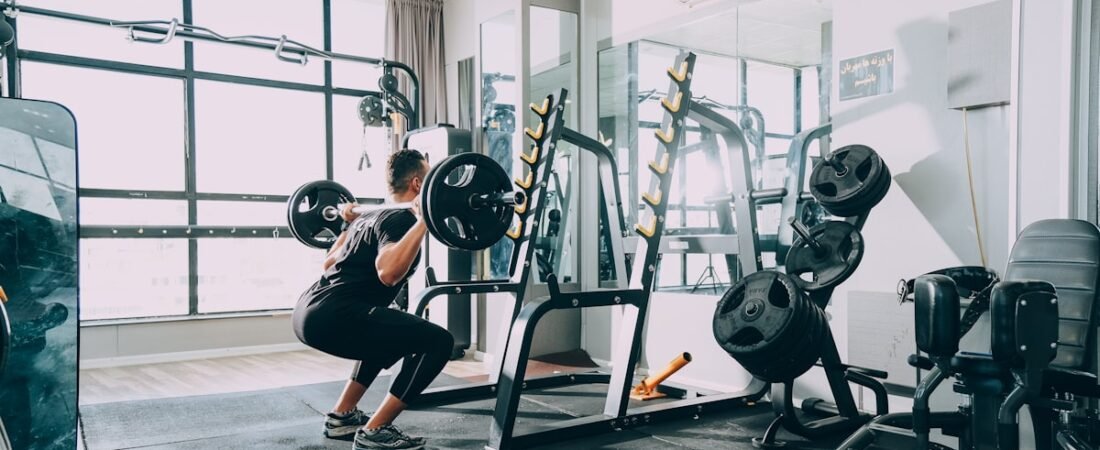
- A home gym removes the commute, the queues and the closing times — the biggest friction points in training.
- You can build a genuinely effective setup at almost any budget by buying in the right order.
- Adjustable dumbbells and a pull-up bar are the highest-value first purchases.
- A barbell, rack and bench unlock heavy compound lifting once budget allows.
- Equipment quality matters far less than programme quality and consistency.
Building a home gym is one of the best long-term investments a committed lifter can make: no commute, no queuing for a rack, no closing time to train around. You do not need a warehouse of machines to make it work either — buy the right pieces in the right order and even a small budget produces a setup that builds real strength. Whether you have a few hundred to spend or a few thousand, here is what to buy and when.
Why a home gym makes sense
The economics stack up quickly. A typical gym membership adds up over a couple of years to roughly the cost of a well-equipped home setup, after which your training is effectively free. The bigger win, though, is behavioural: removing the barrier of travelling to a gym dramatically improves consistency, and consistency is the single most important factor in long-term progress. A plan built around whatever equipment you own is every bit as effective as a commercial-gym plan, so the home setup costs you nothing in results. If you are just starting out, pairing a modest kit with a structured plan like our 12-week beginner plan is a strong way in.
Budget level one: the essential starter
The cheapest tier still covers a full training programme. Prioritise these four items:
- Adjustable dumbbell set: the anchor of the whole setup. One pair covers squats, presses, rows and dozens of accessories, and takes up almost no space.
- Doorframe pull-up bar: unlocks pull-ups, chin-ups and dead hangs for the price of a cheap meal out.
- Resistance bands: useful for warm-ups, assistance work and mobility drills.
- Exercise mat: for core work, stretching and any floor-based movement.
This alone supports a complete beginner routine of dumbbell squats, presses, rows and accessory work — more than enough to make excellent progress for a long time. Our beginner split guide shows how to organise those movements into a weekly plan.
Budget level two: the intermediate setup
Once the basics are in place and you want to load real weight, add the barbell tier:
- Barbell and weight plates: the single upgrade that unlocks heavy squats, deadlifts and bench press at meaningful loads.
- Squat stand or power rack: essential for squatting and overhead pressing safely from the correct height.
- Flat or adjustable bench: enables the bench press, supported dumbbell work and a range of accessories.
- Freestanding pull-up station: a sturdier alternative to the doorframe bar if space allows.
This tier turns a starter corner into a proper strength gym. With a barbell and rack in place, you can run essentially any barbell programme and progress for years.
Budget level three: the full setup
The top tier is about safety, longevity and variety rather than necessity:
- Full power rack with safety bars: lets you train heavy alone with confidence.
- Olympic barbell and full plate set: takes you up to competition-standard loading.
- Cable machine or functional trainer: adds rows, pulldowns and cable accessories.
- Cardio piece: a bike, rower or ski erg for conditioning without leaving home.
None of this is required to get strong, but it broadens what you can do and makes solo heavy training safer. Kettlebells are a worthwhile addition at any tier too — versatile, compact and excellent for conditioning, as our kettlebell training guide explains.
Space requirements
| Setup | Minimum space | Notes |
|---|---|---|
| Dumbbell starter | About 2m × 2m | Fits a spare corner or bedroom |
| Full barbell and rack | About 3m × 3m | Garage, spare room or shed |
Rubber flooring — horse-stall mats or interlocking foam tiles — protects the floor and cuts noise, which matters more than people expect in a shared house. Garages, spare rooms and sheds all work well, and ceiling height is the one constraint worth checking before you buy a rack, since overhead pressing and pull-ups both need clearance.
The myth that home training is second best
A stubborn belief holds that you cannot get properly strong at home, that commercial-gym equipment is somehow required for serious results. It is not true. The biggest drivers of strength are programme quality, consistency and effort — not the brand of the bar or the logo on the wall. Some of the strongest people in the world train in sheds and garages with basic kit. What a home gym occasionally lacks in machine variety it more than repays in the consistency of never skipping a session because of a commute. Building genuine strength, as our guide to athletic strength shows, comes down to how you train, not where.
Frequently asked questions
Can I get as strong at home as in a commercial gym?
Absolutely. The biggest factors in strength progress are the quality of your programme, your consistency and your effort — not the equipment brand or the facility. Plenty of very strong lifters train in sheds and garages with modest kit. As long as you can load a lift progressively and turn up regularly, a home gym will take you as far as any commercial one.
What should I buy first?
Adjustable dumbbells and a pull-up bar. Between them, these two pieces cover the large majority of training needs and are the most space-efficient purchases you can make. They let you run a full programme immediately, and you can add a barbell and rack later once your budget and space allow, without any of the early kit going to waste.
Where do I buy second-hand gym equipment?
Online marketplaces and local classifieds are excellent sources, often at a large discount to new prices. Weight plates and barbells in particular hold their value and rarely wear out, which makes them ideal second-hand buys. Inspect racks and benches for structural soundness, but do not pay new prices for iron that lasts effectively forever.
How much space do I really need?
A dumbbell-based setup fits comfortably in about a two-metre square — a spare corner is enough. A full barbell rack needs closer to a three-metre square plus ceiling height for pressing and pull-ups. Garages and sheds are popular for good reason, but many people run productive setups in a spare bedroom with a folding rack.
Start where you are
A home gym does not have to be expensive to be effective — it has to be used. Buy the high-value pieces first, add to it as your budget grows, and let the convenience of training at home do what it does best: keep you consistent. Whatever kit you end up with, a programme built around it is what turns it into progress. To get one tailored to your equipment and goals, start at Zerxus.
Get the next one in your inbox.
Practical insights — no fluff, straight to your inbox.
Zerxus Coaching Team
Certified Strength & Conditioning Coaches
The Zerxus coaching team combines qualified personal trainers, certified strength coaches, and evidence-based sports science to build programmes that actually work. Every article is grounded in peer-reviewed research and practical coaching experience — no fads, no shortcuts.