
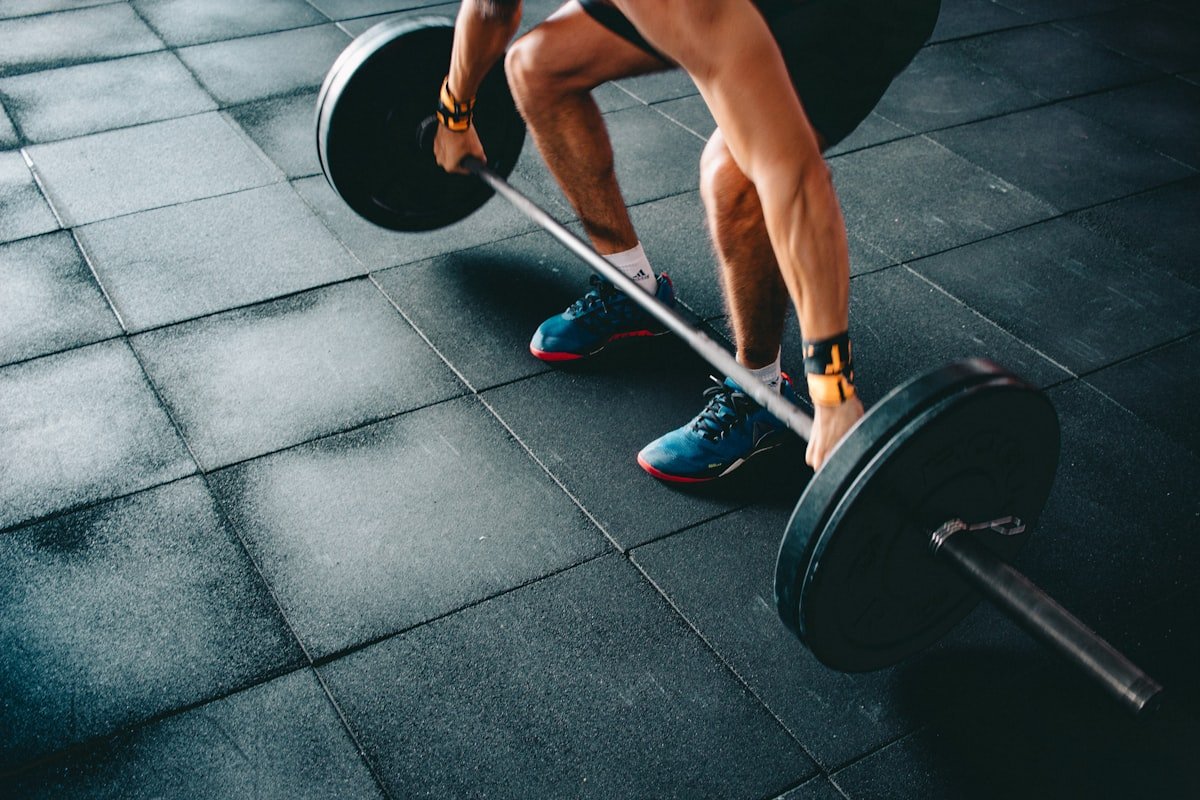
The back is the largest collection of muscles in the upper body. It is also the most undertrained relative to the chest and shoulders in most recreational training programmes. A strong, developed back improves posture, protects the spine, improves performance in every other lift, and produces the wide, powerful silhouette most people are training for.
Breadcrumb: Blog › Exercises › Complete Back Training Guide
The Key Muscles of the Back
- Latissimus dorsi (lats): The large wing-shaped muscles that create width — trained by vertical pull movements
- Trapezius: Upper, middle, and lower traps provide thickness and postural strength — trained by shrugs, rows, and face pulls
- Rhomboids: Between shoulder blades — responsible for scapular retraction
- Spinal erectors: Run along the spine — critical for posture and spinal protection in heavy lifts
- Rear deltoids: Back of the shoulder — often trained alongside back work
The Two Movement Planes of Back Training
Vertical Pulls: Lats
Pull-ups, chin-ups, and lat pulldowns. These movements pull the arms toward the body from above — the primary lat motion. For maximum lat development, achieve full shoulder extension at the bottom (full hang) and drive elbows down into your pockets at the top. See the pull-up masterclass for detailed technique.
Horizontal Pulls: Thickness
Barbell rows, dumbbell rows, cable rows, and machine rows. These movements pull the arms back from in front — training the upper back, rhomboids, traps, and rear delts. They create the thickness that makes a back look powerful from the side, not just from behind.
The Best Back Exercises
- Barbell row: The best overall back thickness movement. Overhand grip for more upper back; underhand for more lats. 3–4 sets of 6–10 reps.
- Pull-up / chin-up: Best lat width movement. Full range — dead hang to chin over bar. Progress with added weight when bodyweight becomes easy.
- Single-arm dumbbell row: Allows greater range of motion than barbell row, corrects imbalances. 3 sets of 10–15 reps per side.
- Cable face pull: Trains rear delts and external rotators — critical for shoulder health and posture. 3 sets of 15–20 reps with light weight and full control.
- Deadlift: The conventional deadlift trains the entire posterior chain including the spinal erectors under heavy load.
Balancing Push and Pull
Pressing and pulling movements should be roughly balanced in training volume — for every set of chest pressing, include a set of horizontal pulling. Most people already do too much pressing relative to pulling, which creates muscle imbalances, shoulder problems, and postural issues. Matching your row volume to your press volume is a minimum.
Frequently Asked Questions
How do I feel back exercises in my back, not my arms?
Focus on driving elbows, not hands. Imagine your hands are hooks and initiate the movement with your elbows pulling back and down. This shifts the focus from the biceps to the back. Also, avoid using straps too early — developing grip strength keeps the hands appropriately connected to the movement.
How many sets of back training per week?
10–20 sets per week total for the back as a whole. Split between vertical pulls (5–10 sets) and horizontal pulls (5–10 sets). As one of the largest muscle groups, the back can handle higher volumes — aim for the upper end of the range if back development is a priority. See sets per muscle group for details.
Should I use straps for back training?
On heaviest sets and high-volume work, straps can be useful to avoid grip limiting the back muscles before they are fully fatigued. Develop your grip without straps first — refer to the grip strength guide for strategies to improve it.
Get the next one in your inbox.
Practical insights — no fluff, straight to your inbox.
Zerxus Coaching Team
Certified Strength & Conditioning Coaches
The Zerxus coaching team combines qualified personal trainers, certified strength coaches, and evidence-based sports science to build programmes that actually work. Every article is grounded in peer-reviewed research and practical coaching experience — no fads, no shortcuts.