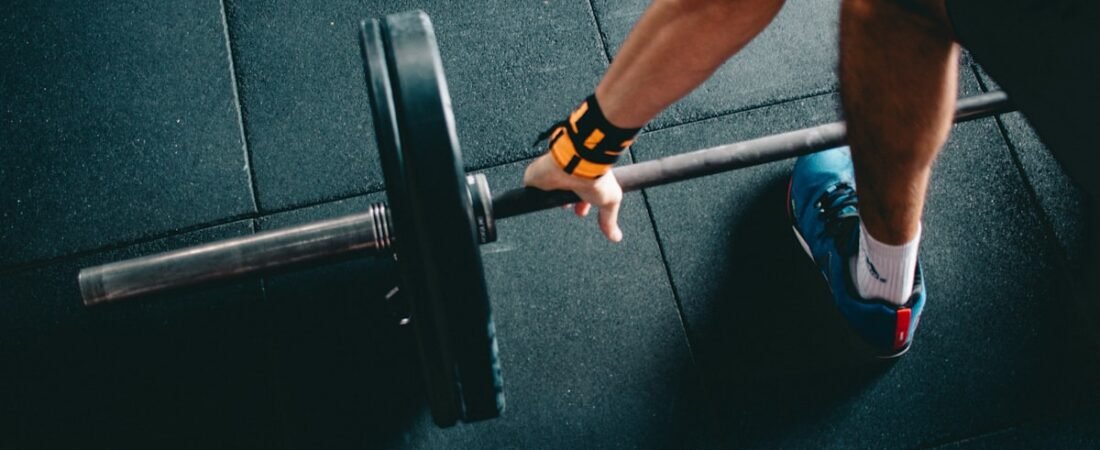
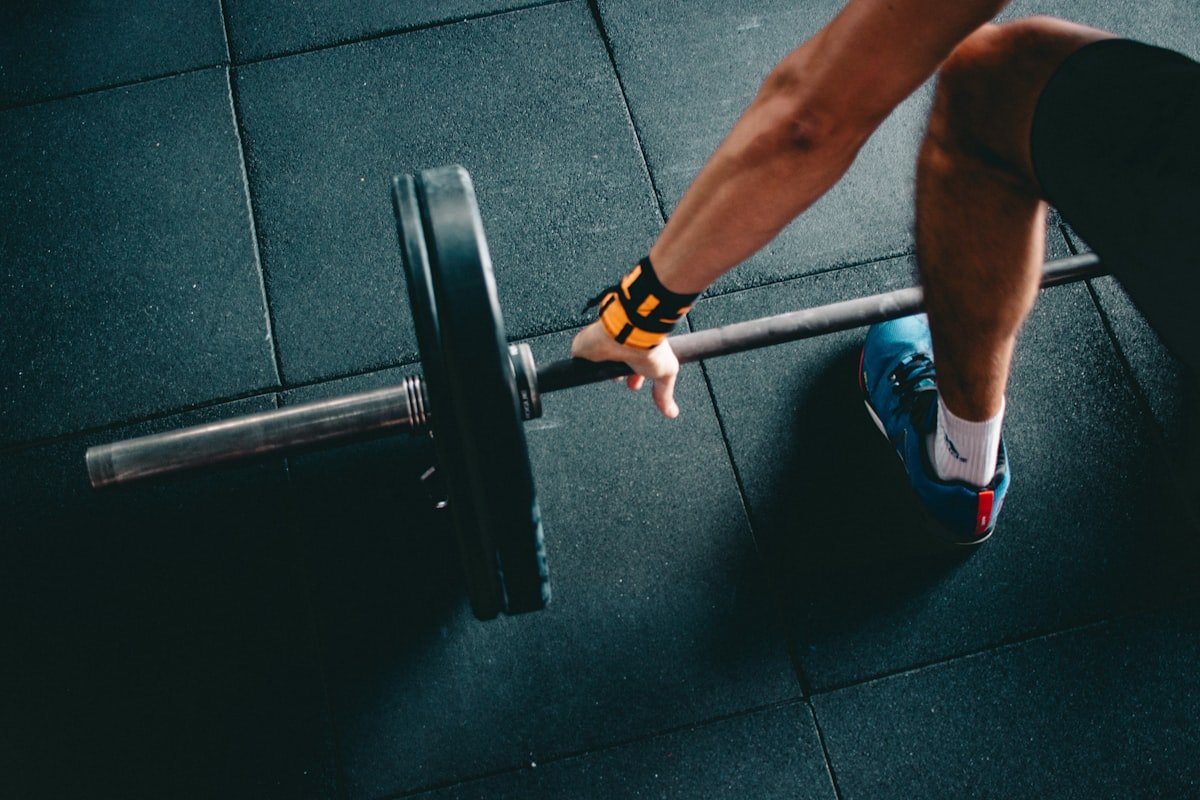
The hip hinge is one of the most important movement patterns in strength training — and one of the most poorly understood. It underlies the deadlift, Romanian deadlift, kettlebell swing, good morning, and many other exercises. Mastering it protects your lower back and unlocks serious posterior chain strength.
Breadcrumb: Blog › Exercises › Hip Hinge 101
What Is a Hip Hinge?
A hip hinge is a movement where you push your hips backward while maintaining a neutral spine and slight knee bend. Unlike a squat (which involves significant knee flexion), the hinge loads the hip joint and posterior chain (glutes and hamstrings) primarily. Think of it as a door hinge at your hips, not your knees.
Why the Hip Hinge Is So Important
Without a hip hinge pattern, people naturally squat to pick things up — bending at the knees AND the lower back, which places dangerous shear forces on the lumbar spine under load. A proper hip hinge loads the strong hip muscles and keeps the spine neutral. This is why teaching the hinge before loading it is critical for injury prevention in the deadlift.
How to Learn the Hip Hinge
Wall Hip Hinge Drill
Stand 15cm from a wall. Push your hips back until they touch the wall, keeping your back straight and knees slightly bent. You should feel a stretch in your hamstrings and your weight should shift to your heels. This is a hip hinge. The wall provides immediate feedback if you are bending your knees too much or your hips are not driving back far enough.
Dowel Rod / PVC Pipe Drill
Hold a dowel rod along your spine — it should maintain contact at your head, upper back, and tailbone throughout the movement. Any rounding of the lower back or upper back breaks contact. This teaches spinal neutrality during the hinge pattern.
Romanian Deadlift (RDL) with Light Weight
Once the bodyweight hinge feels controlled, the RDL is the best loaded progression. Stand with a light barbell, push hips back while the bar slides down your legs, and return to standing by driving hips forward. Keep the bar close to your body throughout. This directly teaches the loaded hinge pattern used in the conventional deadlift.
Common Hip Hinge Mistakes
- Squatting the hinge: Too much knee bend turns the hinge into a squat — the hips should push back, not down
- Rounding the lower back: Loss of spinal neutrality at the hip crease — engage your core and “proud chest” cue
- Hips too high at start: Leads to a stiff-leg deadlift pattern — allow a slight knee bend
- Bar drifting away from legs: In the RDL and deadlift, the bar should stay in contact with the legs throughout
Exercises That Use the Hip Hinge
- Conventional deadlift — primary loaded hinge movement
- Romanian deadlift (RDL) — hamstring-focused hinge variation
- Kettlebell swing — explosive hinge for power and conditioning
- Good morning — bodyweight or barbell hinge for back and hamstring strengthening
- Hip thrust — hip extension from horizontal — a complementary hip-dominant movement
Frequently Asked Questions
Is a hip hinge the same as a deadlift?
The deadlift is a loaded hip hinge, but not all hip hinges are deadlifts. The hinge pattern is the movement concept; the deadlift is one specific exercise using that pattern. Mastering the hinge first makes learning the deadlift much easier and safer.
How do I know if I am hinging correctly?
Use the wall drill or video yourself from the side. Correct hinging: hips push back significantly, knees bend only slightly, spine remains neutral, hamstrings feel stretched at the bottom. Incorrect: too much knee bend, lower back rounds, hips do not move back enough.
Should I feel the hinge in my hamstrings or my back?
Hamstrings primarily. A strong stretch in the hamstrings at the bottom of the movement is correct — it means you are loading the posterior chain. If you predominantly feel it in your lower back, you are likely rounding or squatting rather than hinging. Reduce load and refine technique.
Get the next one in your inbox.
Practical insights — no fluff, straight to your inbox.
Zerxus Coaching Team
Certified Strength & Conditioning Coaches
The Zerxus coaching team combines qualified personal trainers, certified strength coaches, and evidence-based sports science to build programmes that actually work. Every article is grounded in peer-reviewed research and practical coaching experience — no fads, no shortcuts.